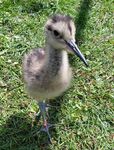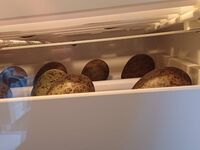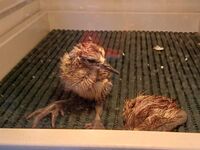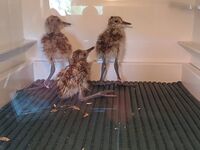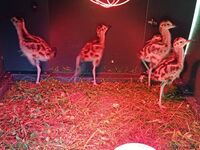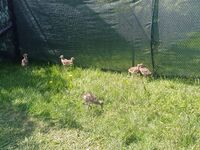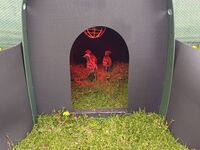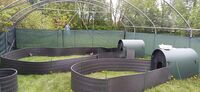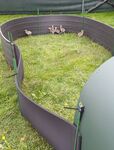

This year, six Eurasian curlew rearing sites are operating under the LIFEkulikPL project. Eggs from threatened nests in nearby refuges are transported to these sites. The eggs are placed in incubators and, a few days after hatching, the chicks are moved outside into an aviary. There, they have special shelters where they sleep, take refuge from the rain and are kept warm. Once they are able to fly, they will be released in the areas where the eggs were collected.
This year, we collected 35 eggs for incubation from the Biebrza and Brzozówka valleys and Wizna Marsh alone. All of them were taken to the rearing site near Sokółka. Twenty-five chicks hatched. The young birds are now between 8 and 22 days old. All of them are already in the aviary. The 15 oldest are already moving around together as a small group, while the youngest are still kept in fenced runs beside the shelters.
At just around three days old, young curlews already show an exceptionally strong hunting instinct and try to catch moving insects. They are fed live crickets, which they are particularly fond of, as well as mealworm larvae and special dry food. Outside, they eagerly hunt wild insects. Not a single anthill has survived within the aviary!
The chicks differ in temperament. Most are calm and shy, but some are noticeably bolder. One of them regularly pecks at its keeper, while another, clearly dominant young bird, fights its companions and drives them away from food. We are curious to see which of the young birds will cope best in the wild.
Photo: Marcin Dojlida